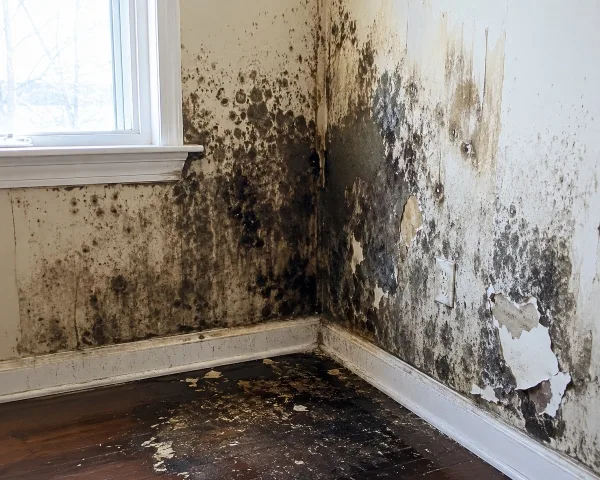
What Missouri City Homeowners Should Know
Water damage can create problems that go far beyond wet floors and damaged walls. When water enters a home through a burst pipe, plumbing leak, appliance failure, roof leak, or flooding, moisture can become trapped in building materials and create conditions where mold can develop.
For Missouri City homeowners, acting quickly after water damage is especially important. Warm, humid conditions can make moisture management even more critical, particularly when water remains in drywall, flooring, cabinets, insulation, or other porous materials.
Quick Facts
- Mold can begin developing within 24 to 72 hours when moisture and other favorable conditions are present.
- Mold spores are naturally present in the environment and can enter a home through air, clothing, windows, and other pathways.
- Water-damaged materials can provide the moisture mold needs to grow.
- Mold may develop in hidden areas, including behind walls, underneath flooring, and inside cabinets.
- Simply removing visible standing water does not necessarily eliminate all moisture.
- Prompt water extraction, drying, and dehumidification can help reduce the conditions that support mold growth.
- Professional mold remediation may be necessary when mold is visible, widespread, or associated with persistent moisture.
How Quickly Can Mold Grow After Water Damage?
Mold does not necessarily appear immediately after a water loss, but it can develop surprisingly quickly when moisture remains present.
In favorable conditions, mold growth can begin within 24 to 72 hours. This means homeowners should not wait for visible mold or a musty odor before addressing water damage.
The longer moisture remains in affected materials, the greater the opportunity for mold to develop and spread.
Why Does Water Damage Create a Mold Risk?
Mold needs moisture to grow. When a home experiences water damage, that moisture can remain in places that are difficult to see or reach.
Water may soak into:
- Drywall
- Wood framing
- Subfloors
- Carpeting and padding
- Cabinets
- Insulation
- Upholstered furniture
- Baseboards
- Other porous building materials
Even after standing water has been removed, materials can remain damp. Without thorough drying, moisture can continue creating favorable conditions for mold growth.
Can Mold Grow Even If You Don't See Any Water?
Yes.
One of the biggest concerns following water damage is hidden moisture. Water can migrate underneath flooring, behind walls, beneath cabinets, and into other concealed areas.
A room may look relatively dry on the surface while moisture remains inside building materials.
This is why professional water damage restoration often involves more than simply removing visible water. Extraction, drying, and dehumidification can help address moisture that may otherwise remain trapped.
What Are the Signs of Mold After Water Damage?
Visible mold is one obvious warning sign, but it is not the only one.
After water damage, homeowners should watch for:
- Musty or earthy odors
- Dark or discolored spots on walls or ceilings
- New staining or discoloration
- Peeling or bubbling paint
- Warped flooring
- Damp or soft drywall
- Persistent condensation
- Mold growth around windows or plumbing
- Areas that remain damp days after the water loss
A persistent musty odor can sometimes indicate mold or moisture in an area that is not immediately visible.
Where Is Mold Most Likely to Develop?
Mold can develop wherever moisture remains for an extended period.
Common problem areas include:
Behind Walls
Leaks from plumbing fixtures or pipes can introduce moisture into wall cavities. Because these areas are concealed, homeowners may not realize they are wet until additional signs appear.
Under Flooring
Water can seep beneath carpeting, vinyl, laminate, hardwood, or other flooring materials. Moisture trapped underneath the surface can create a favorable environment for mold.
Inside Cabinets
Kitchen and bathroom leaks can allow water to collect inside or beneath cabinets, particularly around plumbing connections.
Around HVAC Systems
Condensation, leaks, or excessive moisture around HVAC equipment can contribute to moisture problems in surrounding areas.
In Basements and Crawl Spaces
Poor ventilation, leaks, flooding, and elevated humidity can make enclosed spaces particularly vulnerable to persistent moisture.
Does Missouri City's Humidity Make Mold Growth Worse?
Humidity can play an important role in moisture management.
Missouri City and the surrounding Houston-area region experience warm, humid conditions for much of the year. When indoor moisture levels are elevated, materials that have been exposed to water may take longer to dry.
This makes it especially important to address water damage promptly rather than allowing wet materials to remain undisturbed.
Controlling moisture is one of the most important steps homeowners can take to help prevent mold problems after a water loss.
Can You Prevent Mold After Water Damage?
You can take steps to reduce the risk.
If your home experiences water damage, consider these immediate actions:
- Stop the source of the water if it is safe to do so.
- Remove standing water as quickly as possible.
- Move furniture and belongings away from affected areas.
- Increase air circulation where appropriate.
- Use dehumidification to help reduce excess moisture.
- Avoid disturbing suspected mold growth.
- Have affected areas evaluated if moisture remains or damage is extensive.
The goal is to address the moisture before it has an opportunity to create additional problems.
When Should You Call a Professional?
Professional help may be appropriate when water damage is extensive, moisture has entered building materials, or you suspect mold growth.
A professional restoration company can assess the affected areas, identify moisture concerns, remove standing water, and use professional drying equipment to help restore appropriate moisture conditions.
If mold is already present, professional mold remediation can help address the affected areas and identify the underlying moisture source.
United Water Restoration Group of Missouri City provides mold remediation services designed to address mold growth and the moisture conditions that contribute to it. The company's process includes assessing the property, drying affected areas, containing contaminated areas when appropriate, and cleaning and sanitizing affected spaces.
How Long Does Mold Remediation Take?
There is no single timeline for mold remediation. The duration depends on factors such as the size of the affected area, the amount of mold present, the materials involved, and whether an underlying moisture problem needs to be addressed.
A minor issue confined to a small area may require less work than widespread growth associated with significant water damage.
The first step is determining the extent of the problem and addressing the conditions that allowed the mold to develop.
What Should You Do If You Find Mold After Water Damage?
If you discover mold after a water loss, avoid disturbing it unnecessarily. Attempting to scrape, sand, or aggressively clean extensive mold growth can potentially spread contaminants to other areas.
Instead:
- Identify and address the source of moisture.
- Keep unnecessary traffic away from the affected area.
- Avoid disturbing visibly affected materials.
- Have the area professionally evaluated when appropriate.
- Address both the mold and the underlying moisture problem.
Removing visible mold without correcting the moisture issue can allow the problem to return.
Why Fast Action Matters After Water Damage
Water damage does not stop being a problem simply because standing water has been removed.
Moisture can remain inside walls, floors, cabinets, and other materials long after the surface appears dry. The sooner affected areas are properly evaluated and dried, the better the opportunity to limit secondary damage and reduce conditions that support mold growth.
For Missouri City homeowners, responding quickly can make a significant difference in the overall restoration process.
When Professional Mold Remediation Is Recommended
Professional mold remediation may be recommended when mold growth is extensive, returns after cleaning, is located in difficult-to-access areas, or is associated with ongoing moisture.
Restoration professionals can evaluate the affected areas, identify moisture concerns, contain affected spaces when appropriate, remove or clean affected materials, and sanitize the area.
United Water Restoration Group of Missouri City offers professional mold remediation services for properties experiencing minor or major mold problems. Its technicians are trained and certified to handle mold remediation and begin the process with an assessment of the property.
Protect Your Missouri City Home From Mold After Water Damage
Mold can develop quickly when water damage leaves behind persistent moisture. While visible mold may take time to become noticeable, the conditions that support mold growth can develop much sooner.
The most important step after a water loss is to address the moisture promptly. Water extraction, thorough drying, and moisture control can help reduce the risk of additional damage and mold growth.
If your Missouri City home has experienced water damage or you have discovered mold following a leak or flood, professional restoration and remediation services can help identify the problem and determine the appropriate next steps.