Mold Remediation

Serving all of Missouri City · Open 24/7 · (281) 867-6610

Moisture left too long makes any building prime mold territory. Musty smells, allergy flare-ups, or dark spots on walls mean it is time to act. Our certified team contains the affected area, removes the mold safely, and finds the moisture source so it does not come back.

Why Mold Takes Hold in Missouri City

Fort Bend County gives mold the two things it needs, more or less year round: moisture and warmth. Humidity here rarely drops long enough for a damp wall cavity to dry on its own, so a leak that would air out in a drier climate keeps feeding growth instead. Mold can establish within 24 to 72 hours of water intrusion, which is why the clock matters more here than the size of the leak.

Most homes in this market sit on slab foundations, so water spreads sideways across the floor and wicks up into drywall, baseboards and cabinet kickplates rather than draining away. In the older pier-and-beam stock around Stafford and parts of Quail Valley, the crawl space is the first place to look. Newer construction in Sienna, Riverstone and Telfair hides it differently: tighter building envelopes hold moisture in once it gets behind a finish.

Storm flooding accounts for much of the rest. Water that entered during a tropical storm carries contamination the drying process has to allow for.

How We Remediate Mold

Remediation starts with the water, not the mold. If the moisture source is still active, cleaning the growth only buys a few weeks, so we find and stop it first — a supply line, a roof penetration, a failed seal around a tub or a window.

Next we contain. Affected rooms are sealed with sheeting and held under negative air pressure with HEPA filtration, so spores disturbed during removal do not travel into clean parts of the building through doorways or the HVAC return. Shared returns are a common path between units and rooms, and they get closed off before any demolition starts.

Porous materials that cannot be cleaned come out: saturated drywall, carpet pad, insulation. Framing and hard surfaces are cleaned and treated. Then the structure is dried to a measured moisture content and the readings are recorded, because dry to the touch and dry to a meter are not the same thing.

Mold and Your Insurance Claim

Mold coverage usually turns on cause and timing. Most Texas policies will consider mold that follows a sudden, accidental water loss — a burst supply line, an appliance failure — while excluding growth that developed from a leak nobody addressed. What decides it, more often than not, is the documentation.

We photograph affected areas before anything is disturbed, record moisture readings through the drying process, and keep a written scope of what was removed and why. That record is what an adjuster needs in order to approve the work, and it is far harder to assemble after the fact than during.

We coordinate directly with carriers and adjusters. We are not public adjusters and we do not decide your claim — your policy and your carrier do.

Common Causes We See in Missouri City

  • Past water damage never fully dried
  • Chronic damp at the lowest level of the building
  • Condensation from poor ventilation
  • Bathroom moisture without exhaust fans
  • Hidden plumbing leaks inside walls

While You Wait for the Crew

A few minutes of the right first moves can save thousands in damage. Here is what to do — and what not to do — before we arrive.

Do

  • Keep the affected room closed off from the rest of the house
  • Run the AC or a dehumidifier to bring humidity down
  • Photograph what you can see without disturbing it

Don’t

  • Spray bleach on drywall or wood — it feeds the problem below the surface
  • Point a fan at it — moving air spreads spores through the house
  • Tear out moldy material yourself without containment

Crews are standing by in Missouri City right now.

Call (281) 867-6610

How It Works

Here Is What Happens When You Call

The hardest part of property damage is facing it on your own. You do not have to — from the first phone call, it is our job, not yours.

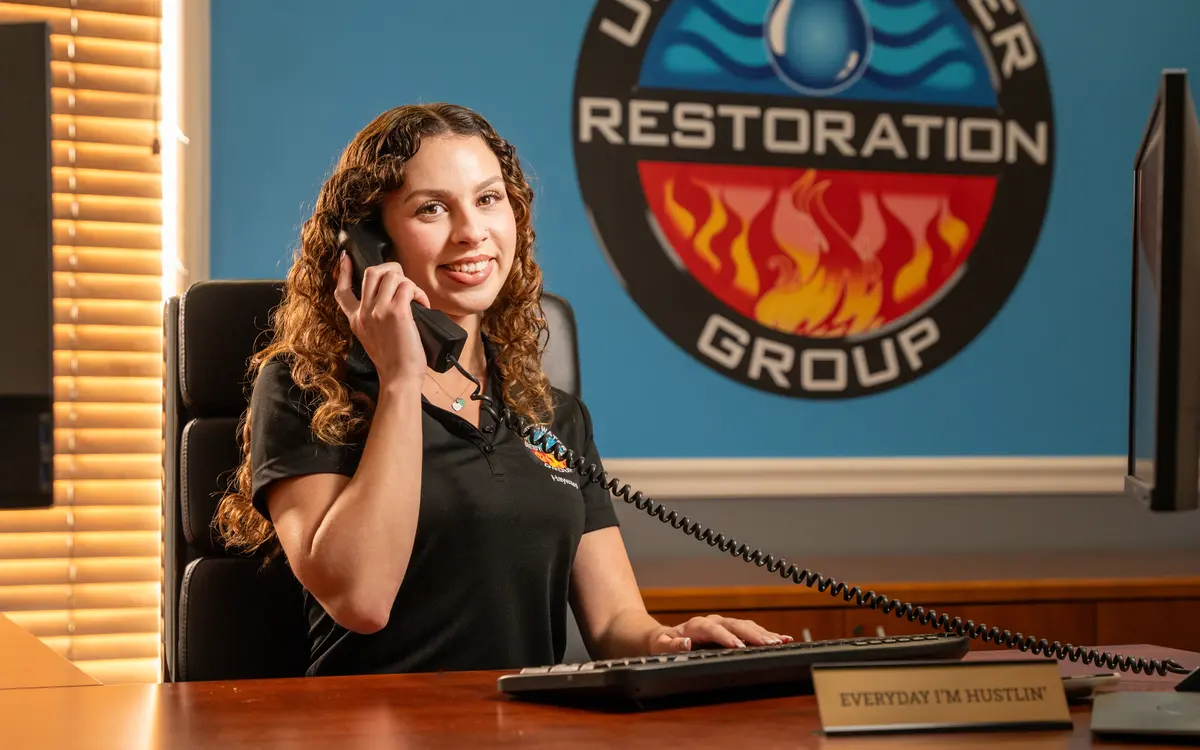
  1. A dispatcher at her desk answering the phone

    Step 01

    You call, we answer

    Any hour, any day, a real person picks up — not a machine and not a national call center. You describe what you are looking at, and from that moment it stops being your problem to solve on your own.

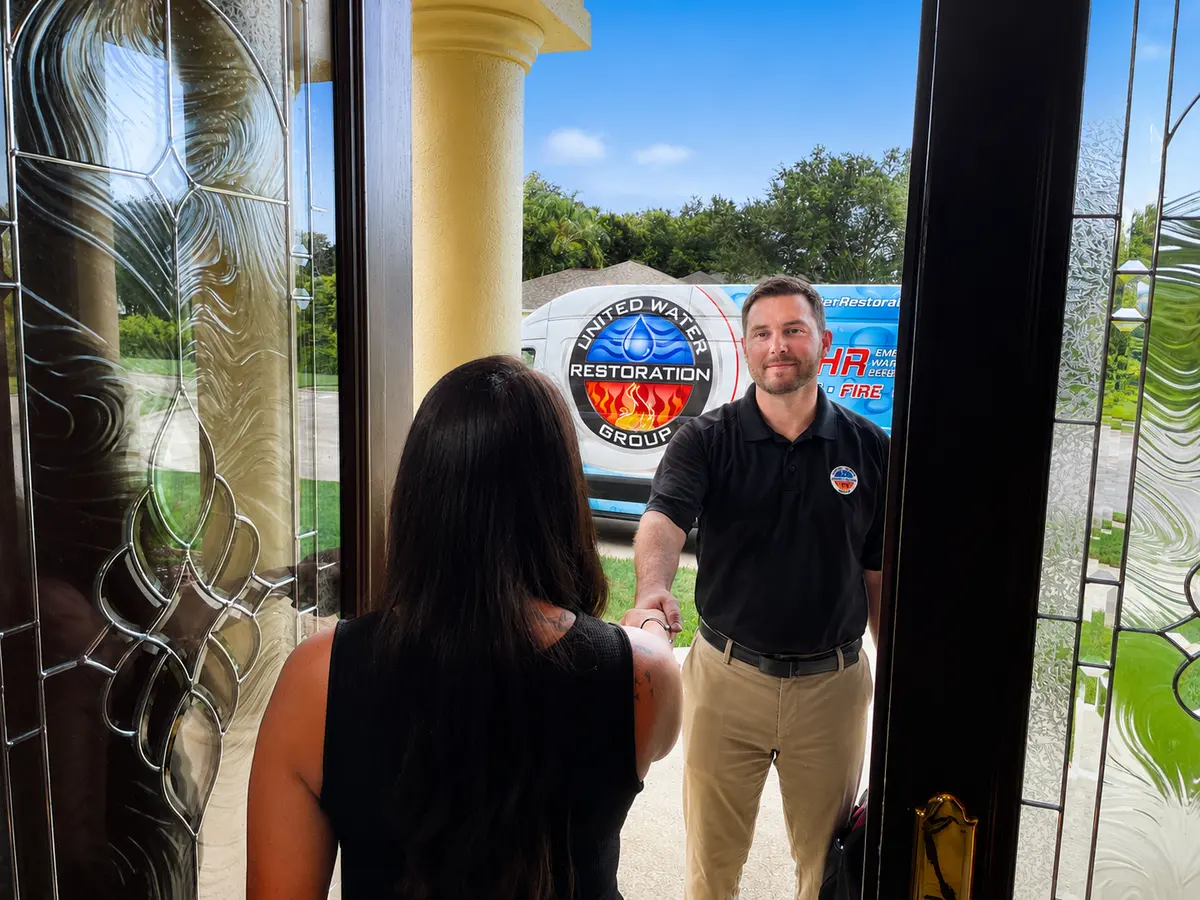
  2. A technician arriving at a homeowner’s front door to look at the damage

    Step 02

    We assess

    Our crew works out how far it has really gone, including what you cannot see behind walls and under floors. You do not have to know what to look for, or guess how bad it is.

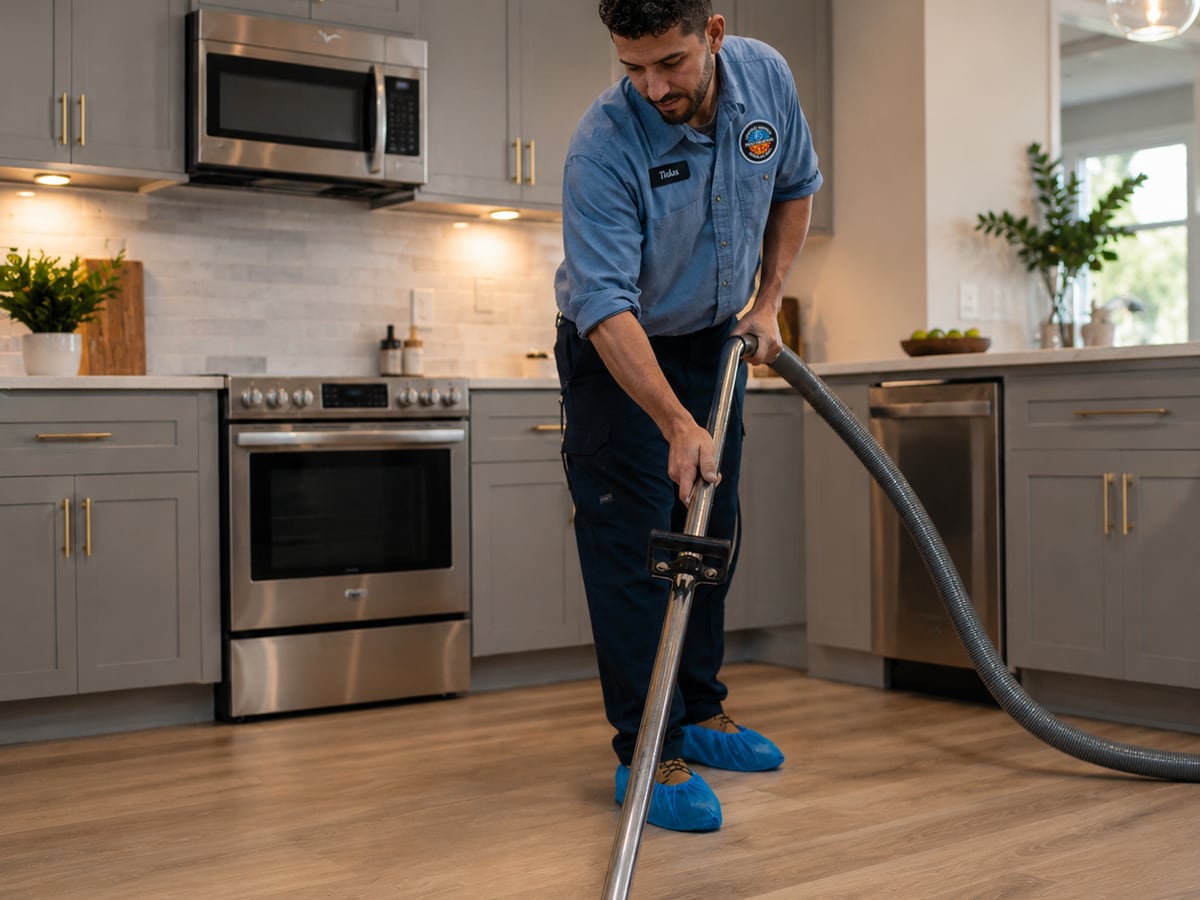
  3. A technician drawing water out of a kitchen floor with an extraction wand

    Step 03

    We do the work

    What comes out, what gets dried, what can be saved — those are our calls to make, and we explain each one as we go. Readings are recorded throughout, so nothing rests on you taking our word for it.

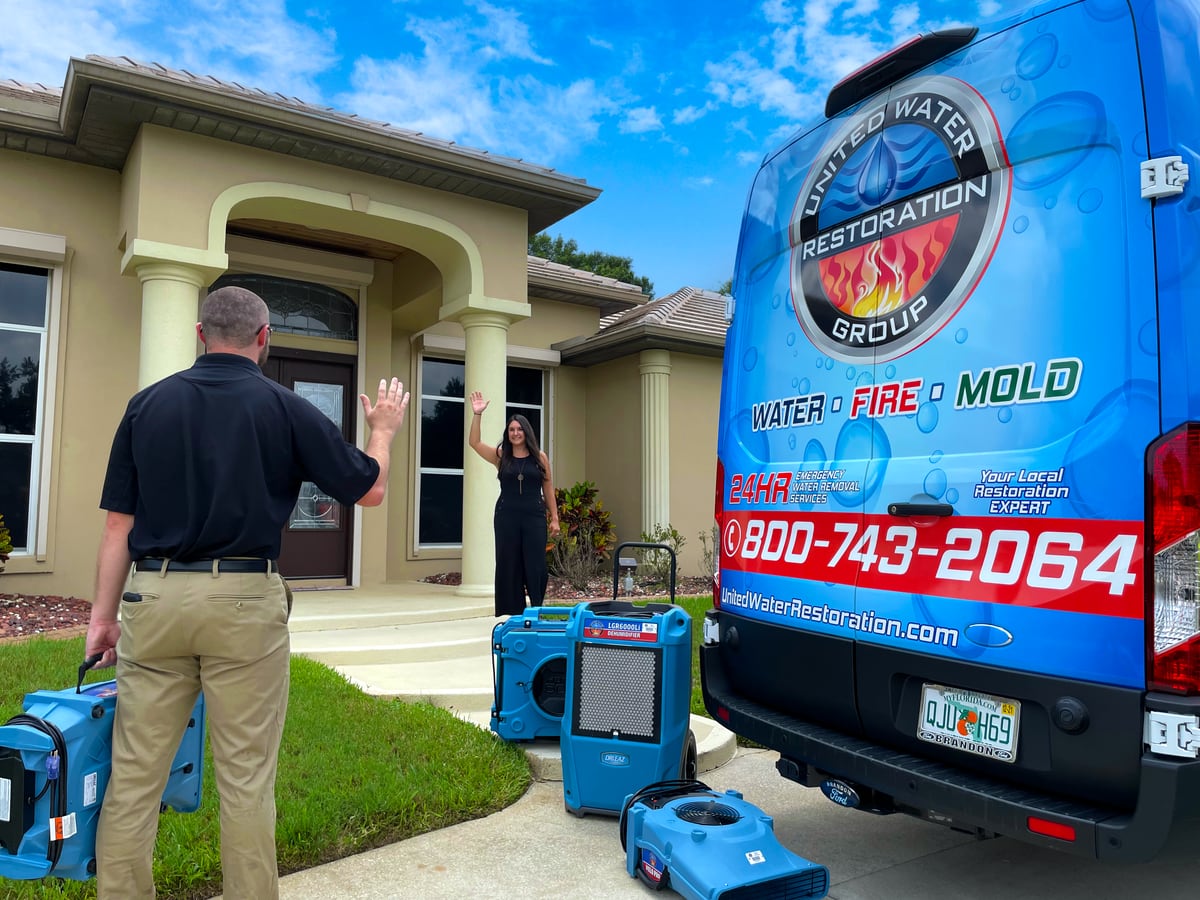
  4. A technician carrying equipment back to the van, waving to the homeowner at her door

    Step 04

    You get your property back to normal

    Our own team rebuilds what came out and hands the place back finished, with everything documented the way your adjuster expects it.

We Work With Your Insurance

Restoration is stressful enough without fighting through a claim alone. Our crews document everything — photos, moisture readings, and a clear scope of work — in the format adjusters expect, and we communicate with your insurance company throughout the job. You always know what is happening and what your policy covers before work begins.

AllstateState FarmLiberty MutualProgressiveNationwideFarmers InsuranceAmerican Family InsuranceChubbUniversal Property & CasualtyHeritage Insurance
Technician walking a homeowner through the insurance scope on a tablet

What This Service Covers

Mold inspections and testingContainment and negative air pressureHEPA air scrubbingAntimicrobial treatmentPost-remediation verification

Painting over mold never fixes it. Get it removed properly, verify the air is clean, and keep it from returning.

Frequently Asked Questions

Is black mold harmful to my family?

Yes, black mold can pose health risks, especially to those with respiratory issues or weakened immune systems. Exposure may lead to symptoms like coughing, sneezing, and skin irritation. If you suspect black mold in your home in Missouri City, it's advisable to seek professional help for safe removal.

Can I remove mold myself using bleach?

While bleach can kill surface mold, it often doesn’t penetrate porous materials like drywall or wood where mold can hide. This can lead to regrowth. For effective mold remediation in Missouri City, it's best to contact professionals who can ensure comprehensive removal and prevention.

What keeps making mold come back in my home?

Mold returns primarily due to persistent moisture issues, inadequate ventilation, or unresolved leaks. In humid environments like Missouri City, moisture can easily accumulate if not addressed. It's important to identify and remedy these issues to prevent mold from recurring.

Does homeowners insurance cover mold remediation?

Coverage for mold remediation varies by policy. Generally, if mold results from a covered peril, like water damage, it may be covered. It's best to review your policy or contact your insurance agent for clarification on mold-related claims.

How can I tell if there's mold hiding behind my walls?

Common signs of hidden mold include water stains, a musty odor, and unusual discoloration on walls. If you suspect mold behind walls, it's wise to consult professionals in Missouri City who can conduct a thorough inspection and remediation if needed.

Is mold testing necessary before remediation in Missouri City?

While mold testing can identify the type and extent of the mold problem, many homeowners opt for a visual inspection first. In Missouri City, if you notice mold growth, remediation can often begin immediately without prior testing. For concerns, call (281) 867-6610.

Helpful Reading

Request Service Online

Tell us what happened and we will call you right back. For emergencies, calling (281) 867-6610 is always fastest — we answer 24/7.

A United Water Restoration Group of Missouri City van heading out on an emergency call at sunset

In Case of Property Damage, Call:

281-867-6610

We answer around the clock and dispatch from right here in Stafford.

IICRC Certified · Water · Fire · Mold · 24/7 Emergency Response